


Capitolo 3: Robot Skills for Referees
Lesson 1: Robot Skills Match Structure

Learning Objectives:
- Identify the two types of Robot Skills Matches.
- Describe the basic structure of a Robot Skills Match.
- Identify which standard rules still apply during Robot Skills Matches.
- Identify key rule differences between Robot Skills and Head-to-Head Matches.
Robot Skills Matches give teams an opportunity to score as many points as possible with one robot in a one-minute match. These matches are separate from Head-to-Head Matches and have their own procedures, scoring rules, and field setup requirements.
For referees, Robot Skills Matches require many of the same habits used in Head-to-Head Matches: confirm the field setup, watch the robot and Drive Team members carefully, evaluate scoring accurately, and communicate clearly with teams. However, a Robot Skills Match is not simply a Head-to-Head Match with fewer robots. Some rules apply differently, and referees must know where to find those differences in the Game Manual.
Before continuing, read Section 3: Robot Skills in the current VEX V5 Robotics Competition Override Game Manual. This section is dedicated to the Robot Skills Challenge and information specific to these matches.
Robot Skills Match Structure
Robot Skills Matches are one-minute matches in which one team uses one robot to earn a score. They are separate from Head-to-Head Matches and follow the Robot Skills rules in the Game Manual.
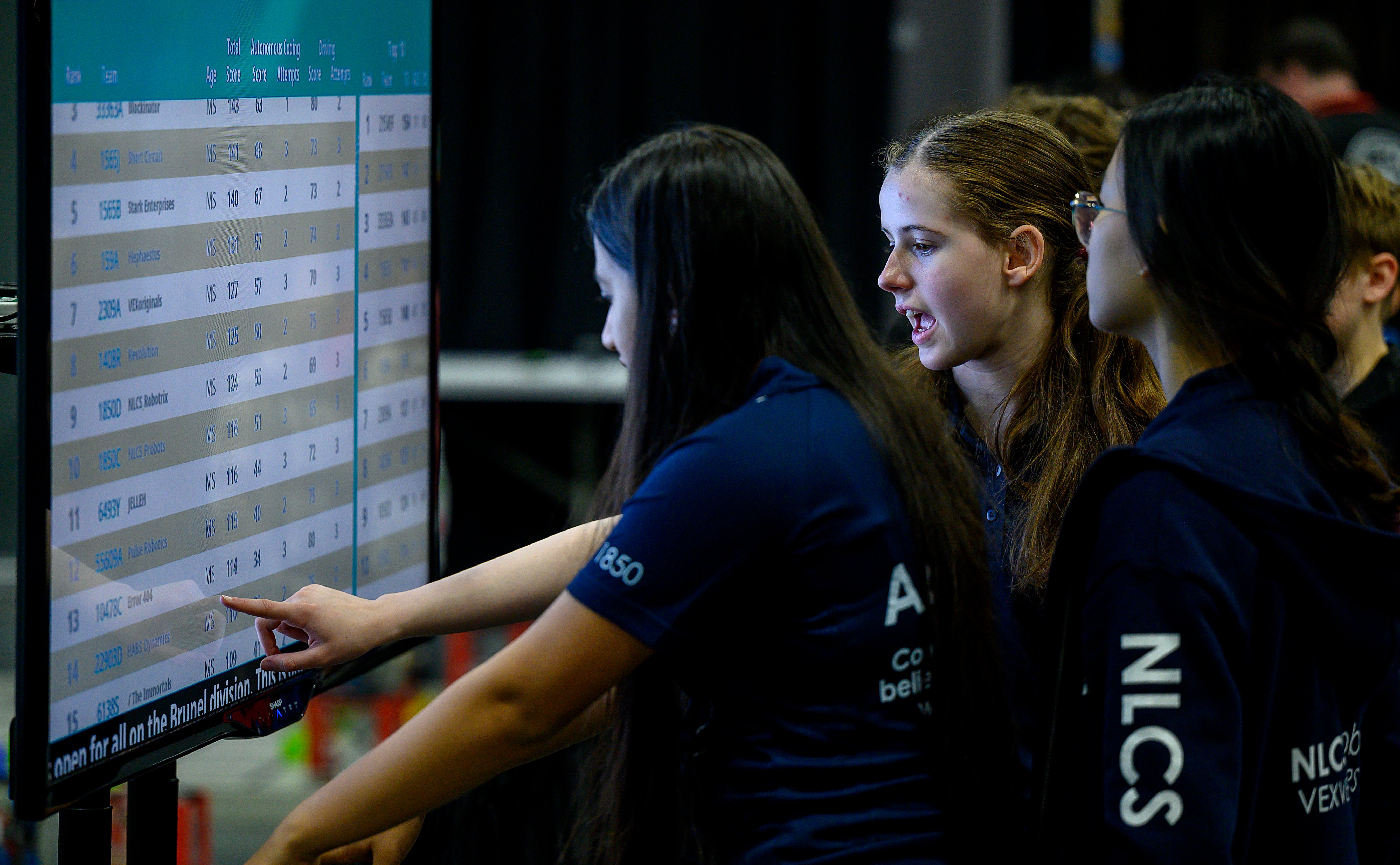
There are two types of Robot Skills Matches:
- Driving Skills: Drive Team members remotely control the robot with a V5 Controller.
- Autonomous Coding Skills: The robot runs code written by the team, with limited human interaction as allowed by the Game Manual.
Before starting a Robot Skills Match, referees should confirm the match type, field setup, robot starting position, Preload, Alliance Station, and Match Loads. These setup and procedure differences are described in the Robot Skills section of the Game Manual.
Standard Rules Still Apply
Robot Skills has its own section in the Game Manual, but that does not mean all other rules stop applying. As explained in <RSC1>, standard rules apply to Robot Skills Matches unless the Robot Skills section says otherwise.
This means referees (especially Head Referees) should still be aware of rules related to:
- Safety
- Drive Team member behavior
- Robot inspection and legality
- Field interaction
- Scoring object interaction
- General rule expectations
The key habit is to start with the standard rule, then check whether the Robot Skills section modifies that rule. If the Robot Skills rules provide a different procedure or exception, apply the Robot Skills version.
Key Differences from Head-to-Head Matches
Robot Skills Matches differ from Head-to-Head Matches in several important ways. Referees are not expected to memorize every difference, but they should know what kinds of differences to look for in the Game Manual.
Some key differences include:
| Category | Head-to-Head Matches | Robot Skills Matches |
|---|---|---|
| Participants | Two alliances compete against each other. | One team runs one robot. |
| Goal of the Match | Outscore the opposing alliance. | Score as many points as possible. |
| Match Length and Control | Two minutes. Includes Autonomous and Driver Controlled periods. | One minute. Each Skills Match is either a Driving Skills Match or an Autonomous Coding Skills Match. |
| Alliance Station | Drive Team members use the Alliance Station assigned for the match. | Drive Team members use the Red Alliance Station. |
| Starting Setup | Robots use the Head-to-Head starting rules. | Robots use the Robot Skills starting setup described in <RSC2> and <RSC4>. |
| Match Loads | Match Loads are introduced based on Head-to-Head rules. | Match Loads are introduced according to Robot Skills procedures. |
| Number of Matches | The number of Head-to-Head Matches is based on the size of the event and how the team performs in Elimination Matches. | Each team gets a maximum of 3 Driving Skills Matches and 3 Autonomous Coding Skills Matches per event. |
These differences matter because Robot Skills is not judged by whether one alliance defeats another. Instead, the referee must evaluate whether the team’s final score was earned under the Robot Skills rules.