


Strategies for Funding Your Robotics Program
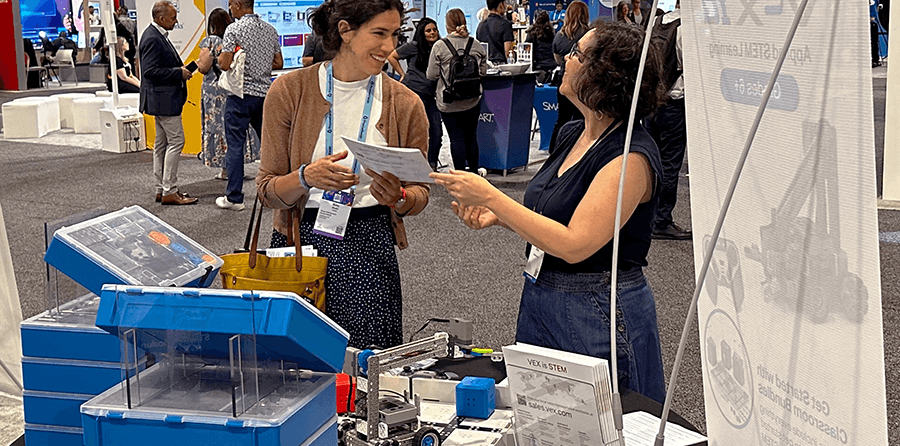
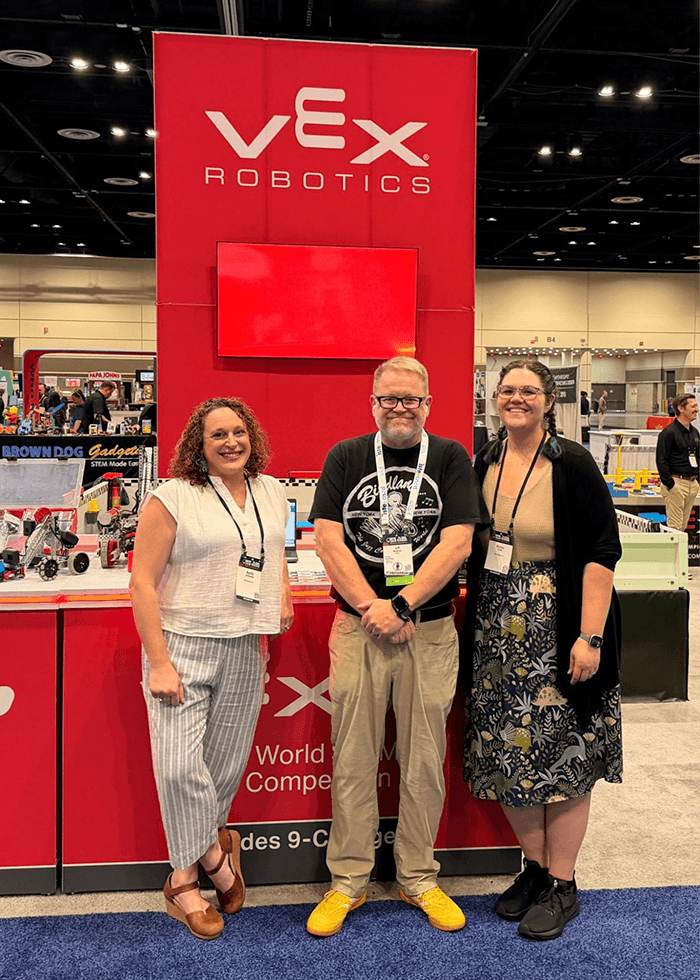
At this year’s ISTELive 2026, I was so lucky to talk to teachers from around the world about their existing robotics programs as well as those who are just starting to introduce robotics and drones into their classrooms. At the end of our exciting chats, one of the most common questions I got was how they could pay for the materials.
July marks the start of a new fiscal year for many schools and districts, which makes now the perfect time to start looking for funding. Whether you are launching an early childhood robotics program with VEX 123 or VEX GO, starting a competition team for VEX IQ or VEX V5, or investing in your own professional learning, there is grant funding out there to help. The challenge isn't whether the money exists — it's knowing where to look.
Grant funding is constantly changing. Programs open and close, priorities shift, and a list that was accurate last year may be out of date today. That's why we've created Identifying US-Based Funding Sources in the VEX Library — a starting point that focuses on where to search and how to search, rather than a static list of individual grants that quickly becomes obsolete.
But before you open a single database, I want to share something else from those ISTELive conversations: the educators who successfully fund their programs aren't the ones with special connections or grant-writing degrees. They approach the process a little differently — and every one of those habits is learnable.
Lead with Your Story, Not Your Shopping List
The most common mistake I see in early grant applications is starting with the wishlist: "We need six robotics kits." Funders don't fund kits — they fund what happens because of the kits. The educators who win awards start with their students: the fifth grader who found her confidence debugging code, the after-school team that gave students a place to belong, the classroom where robotics made math finally click.
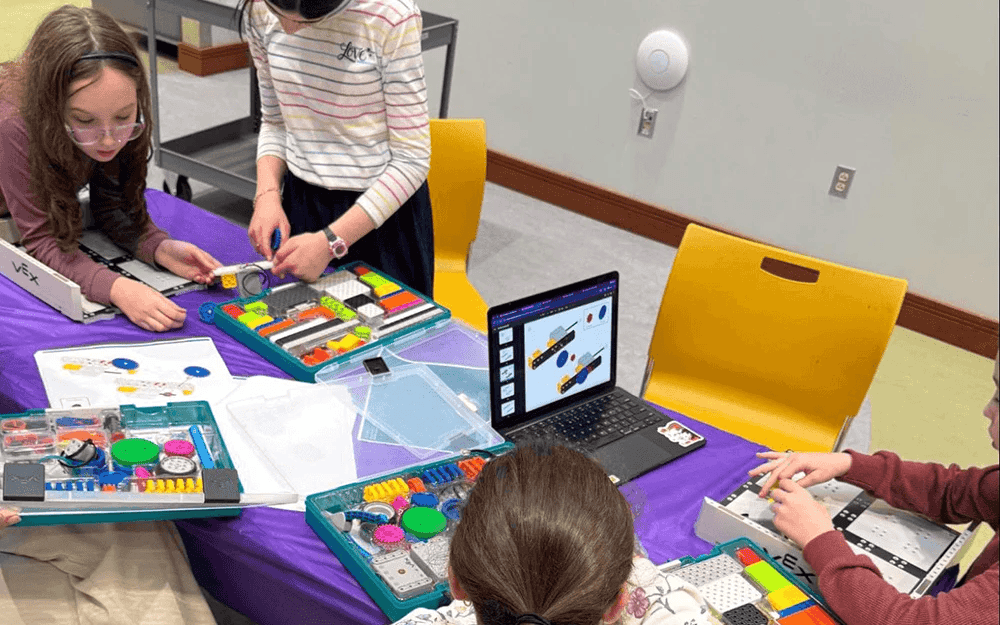
You already have these stories. Before you write a single application, jot down two or three moments that show what your program makes possible (or, if you're just starting, what you know it will make possible). That story becomes the heart of every application you write — the sources and dollar amounts are just details that change around it. If you are looking for success stories for robotics programs, you can use the VEX Passport to reach out to other educators near you who might have great, local stories to share.
Think Small to Win Big
There's a myth that grant funding means landing one massive award. In reality, most funded programs are built on a foundation of small wins: a $500 mini-grant from a local education foundation, a funded DonorsChoose project, or a sponsorship from a local business that wants its name at your competition.
These small awards do more than pay for materials. Every funded project becomes evidence for the next application — proof that you deliver on what you promise. Educators I've talked to who now manage significant program budgets almost all started with one small "yes." Give yourself permission to start there too.
You're Not Applying Alone
Grant seeking feels like a solo activity, but the most successful educators treat it as a team sport. Your district grant coordinator knows about funding streams — like Title funds or Perkins V — that never show up in a Google search, and a ten-minute conversation can save you hours of searching. Parents, local librarians, and PTO members often have grant-writing experience or connections to local funders. And fellow coaches and teachers are usually happy to share what worked in their applications.
Asking for help isn't a sign you're not ready. It's what the funded programs do.
Treat "No" as "Not Yet"
Here's the part nobody puts in the funding guides: everyone gets rejected. A declined application isn't a verdict on your program — it's often just a mismatch of timing, priorities, or fit. The educators who eventually get funded are simply the ones who revise and resubmit. Many even ask funders for feedback, which sometimes turns this year's "no" into next year's "yes." Quality and persistence beat volume every time: one well-aligned application, improved each cycle, will outperform ten generic ones.
Ready to Start?
Grant funding doesn’t need to be intimidating. It just might be a matter of finding the right place to start. As you begin your journey, you can use these resources to help you along the way:
- Find your sources: Identifying US-Based Funding Sources walks you through federal, state, and local options, with next steps for each.
- Looking for competition team specifics? This article from the Global Robotics and Science Foundation has sources specific to robotics teams.
- Start writing: This VEX Library article includes grant-writing tips and editable letters to build from.
- Get personal support: Book a 1-on-1 Session with a VEX Education Expert to talk through your specific program. We can help point you toward additional resources, like the materials on research.vex.com, to help strengthen your application.
Have you funded your program through a grant — or are you just getting started? Share your experience and questions in the VEX PD+ Community! We would love to hear your story and maybe someone else can learn from your journey.