Chapter 1: Competition Event Foundations
Lesson 2: Committing to Student-Centered Events

Learning Objectives
- Explain what student-centered means and identify the two principles it rests on.
- Identify what student-centered work looks like in the pits, at inspection, in judging, and at the field.
- Identify the six commitments of the Code of Conduct.
In many of those event moments shared in Lesson 1, a student did something an adult standing right there could have done faster. That is not a rough edge in how events are run. It is the reason they exist.
Two documents help create the framework of every event. The Student-Centered Policy says whose work it is. The Code of Conduct says how everyone behaves.
Before continuing, read both the Student-Centered Policy and Code of Conduct.
The Point of the Day
A season is a private thing. A team spends months in a classroom, a garage, or one corner of a library, and almost nobody outside that room sees any of it. Then your event happens. For the first time the robot meets another robot, a stranger with a checklist looks it over, a judge asks how it works, and a scoreboard tells the team what happened.
That is why an event is worth the trouble of hosting. Students find out what their own work can do.
And it is their own work. Over one season, a team designs, builds, codes, tests, and drives a complete robot, then decides how to play the game with it. Most professional engineers never touch a whole system that way; they spend a career on one part of one. Your competitors do it every year, and some of them are nine years old.
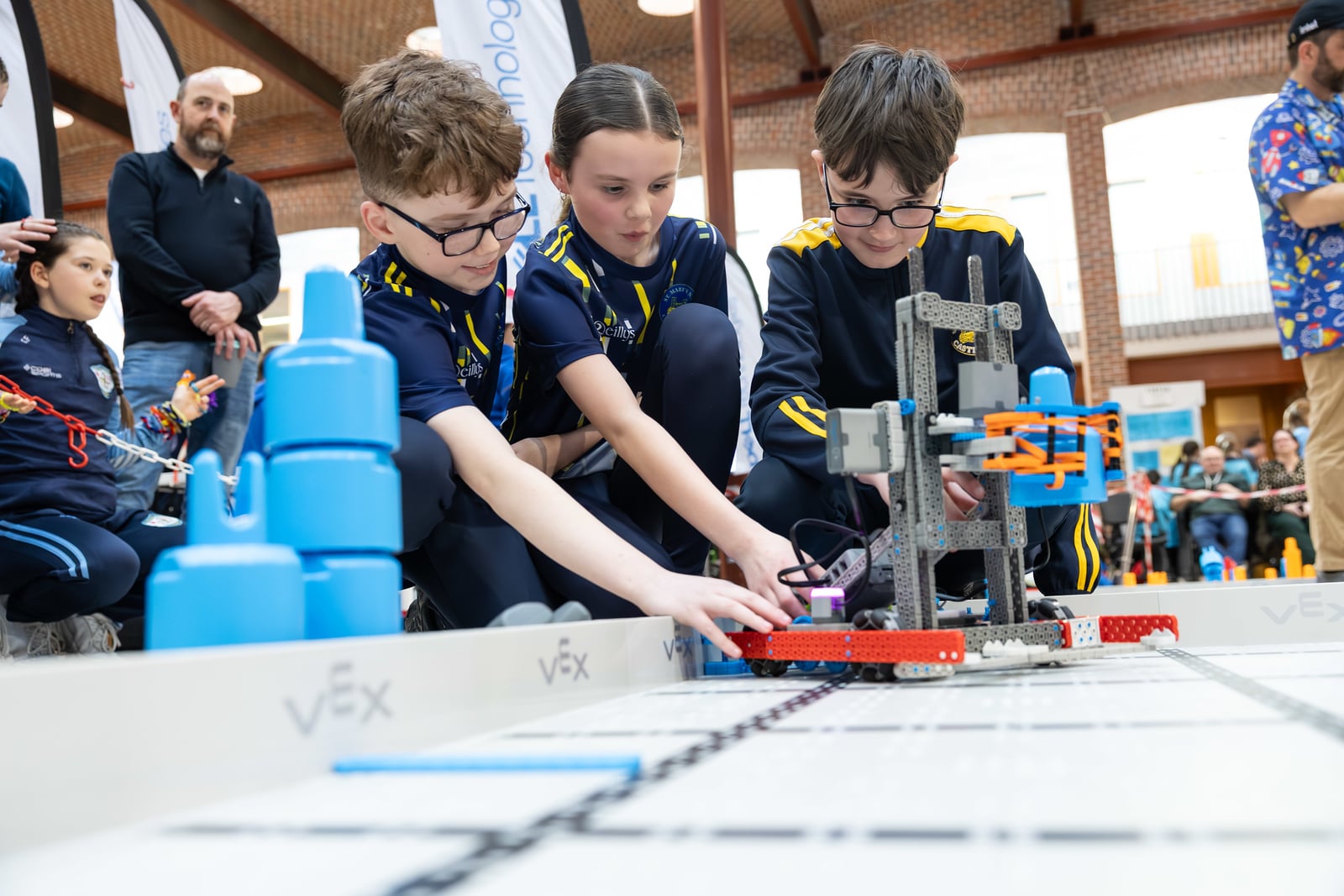
So the work has to stay theirs. When an adult builds the robot or answers for the team, none of that learning happens. The robot might still win, but the student is left holding a result they cannot explain.
The Student-Centered Policy puts it in two principles:
- Students do the work. The robot, code, notebook, strategy, and the decisions behind them are the team's. Deciding is the most important work a team does.
- Students can explain the work. Someone on the team can speak to every part, though no one student has to explain all of it.
What Student-Centered Looks Like at Your Event
The policy lives in an article, but comes to life at a competition. Looking around at the competition, you will see that in all different areas.
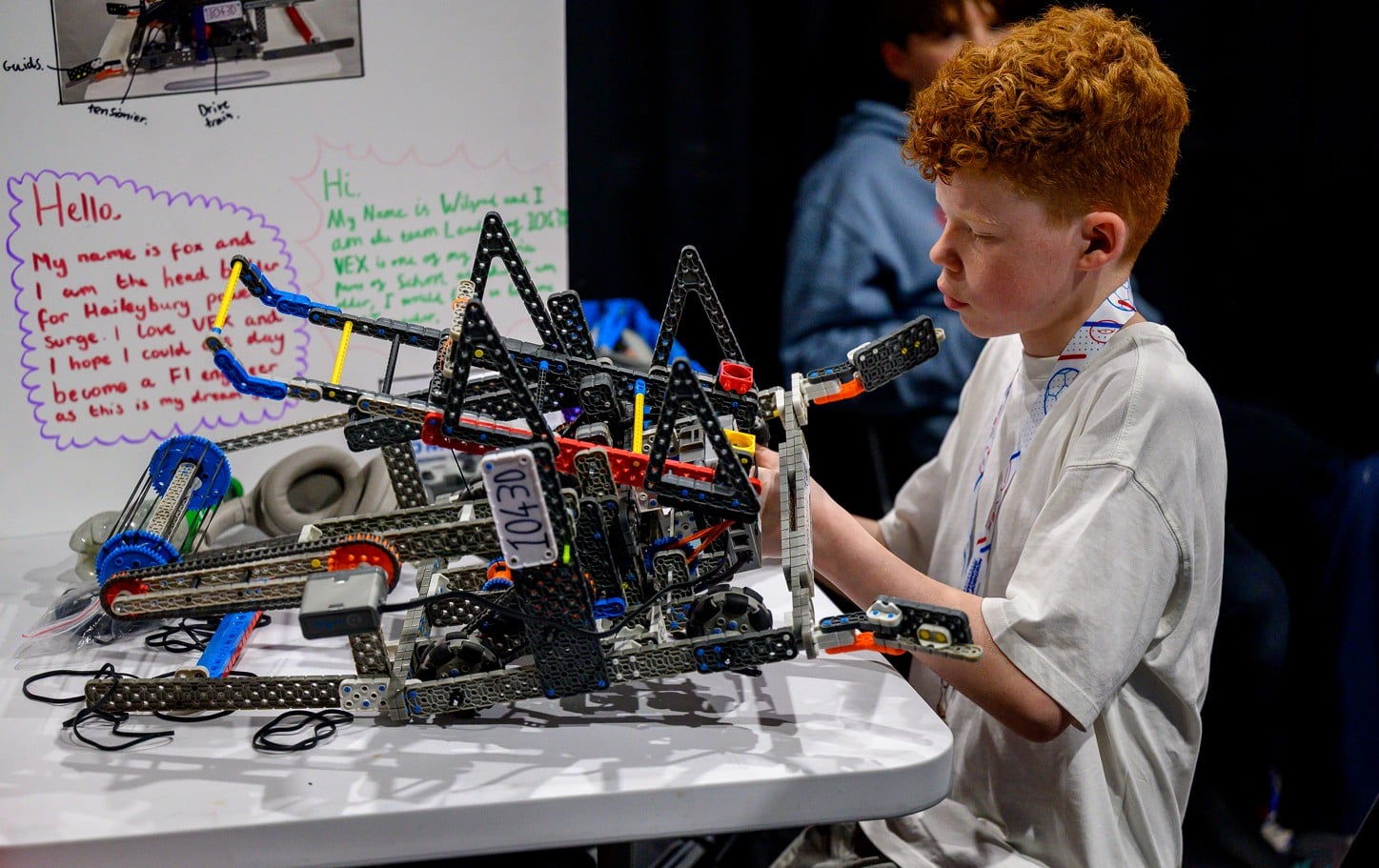
- Pits: students work on the robot.
- Inspection: students present the robot and answer the inspector.
- Judging: students answer every question about the team's work.
- Practice fields: students edit their code or drive to test new strategies.
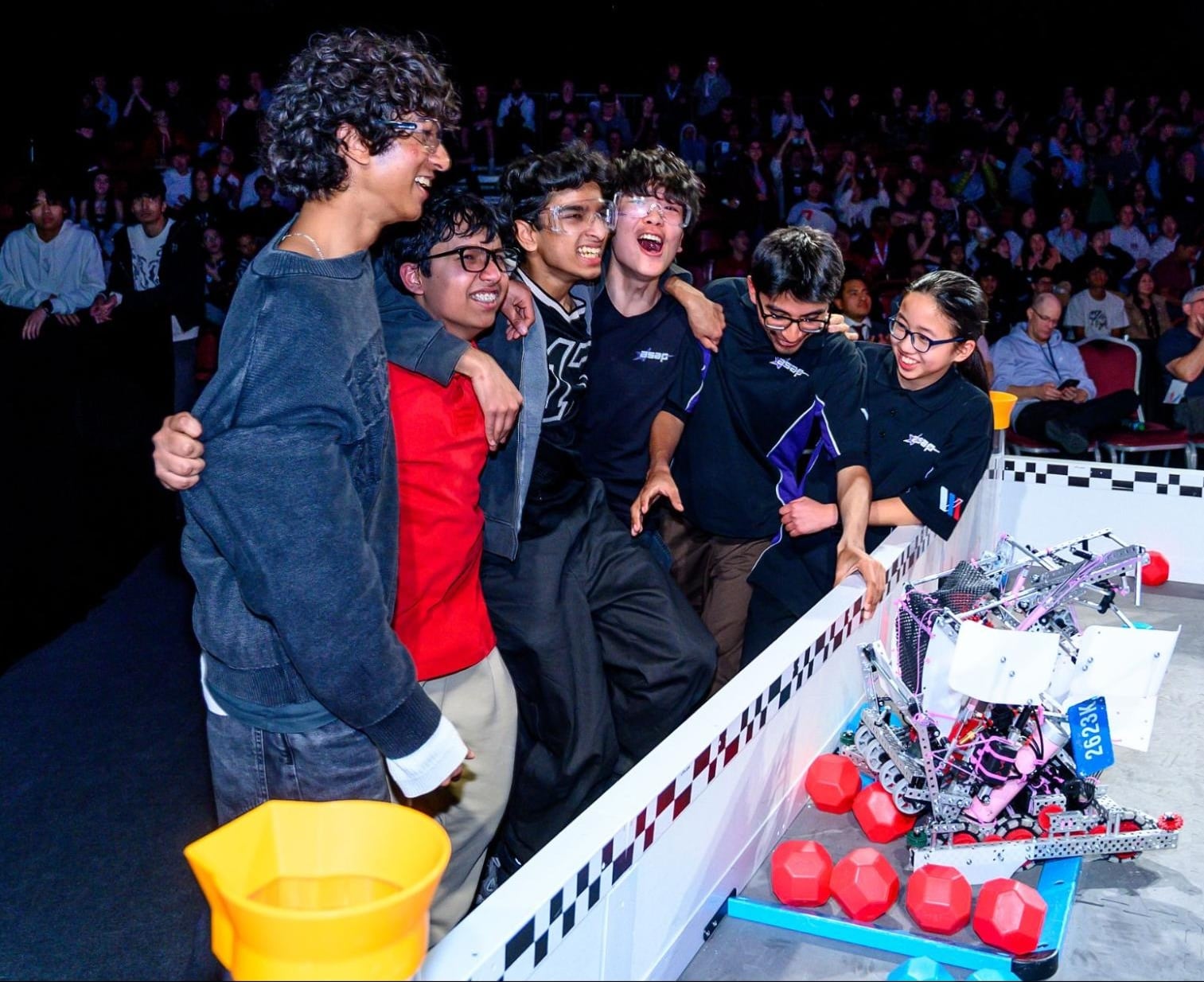
- Matches: students drive and cheer each other on.
Adults are still busy. Coaches drive the van, feed the team, organize the pit, and lose their voice cheering. What they do not do is the team's work. Time pressure counts as part of the test: a team three minutes from their next match still does their own repair. More importantly, they learn from that high-pressure moment and can apply that learning later on.
Your job is not to police this policy at the event. If something happens and you have a concerned party, there is a method for raising those with the Global Robotics & Science Foundation that will be covered later in this course. However, your main concern is creating the environment of the event that fosters a student-centered approach. You build the day and tell your volunteers what to expect — an inspector asks the students, a judge waits out a long pause instead of turning to the coach, a referee explains a call to the drive team. Teams learn what ‘student-centered’ looks like from their team meetings, interactions with their coach and mentors, and the events they attend.
The Code of Conduct
The Student-Centered Policy covers whose work it is. The Code of Conduct covers expectations of everyone at the event: teams, families, volunteers, officials, spectators, and you. It comes down to six commitments, kept short so they can be taught and repeated.
- Safety. Put student safety first, always.
- Respect. Treat every person with respect.
- Learning. Let students do the work and own their decisions.
- Integrity. Compete within the rules and own the result.
- Fairness. Follow the rules, and expect everyone to follow them too.
- Reporting. Report concerns and violations, and protect those who do.
Two of them do specific work for an Event Partner. Fairness binds officials as tightly as competitors, so judges and referees rule impartially and step back from teams they are connected to. Reporting asks you to speak up without waiting to be certain, and protects anyone who does. Chapter 5 covers what to do when a concern lands on you mid-event.
The Code of Conduct is backed by the Youth Protection Policy and the Safety Policy.
Nearly every requirement in this course is one of these documents applied to a particular part of the day, and each chapter carries a short note pointing back to it. The Student-Centered Policy opens with three sentences worth taking into your event from the moment you begin planning:
Learning is everything. Winning is a goal. Have fun.