


Chapter 8: Violations, Penalties, and Documentation
Lesson 4: Team Conversations and Appeals

Learning Objectives:
- Explain the team appeal process.
- Identify who may discuss match rulings with the Head Referee.
- Describe how to respond appropriately to disagreement or conflict and keep interactions with teams positive.
A ruling is only half the job; communicating it is the other half. Most of these conversations are short — a team asks why a call was made, you explain it, and play moves on. As the Head Referee you hold final authority on gameplay rulings, but how you carry that authority is what teams remember. Clear, calm, even-handed conversations keep their trust even when a call does not go their way.
Before continuing, read the following in the current Game Manual:
- <T3> Appealing and discussing a ruling with the Head Referee.
- <T1> Head Referees have ultimate and final authority.
The Appeal Process
A team that disagrees with a ruling can appeal it, but the process is narrow and immediate:
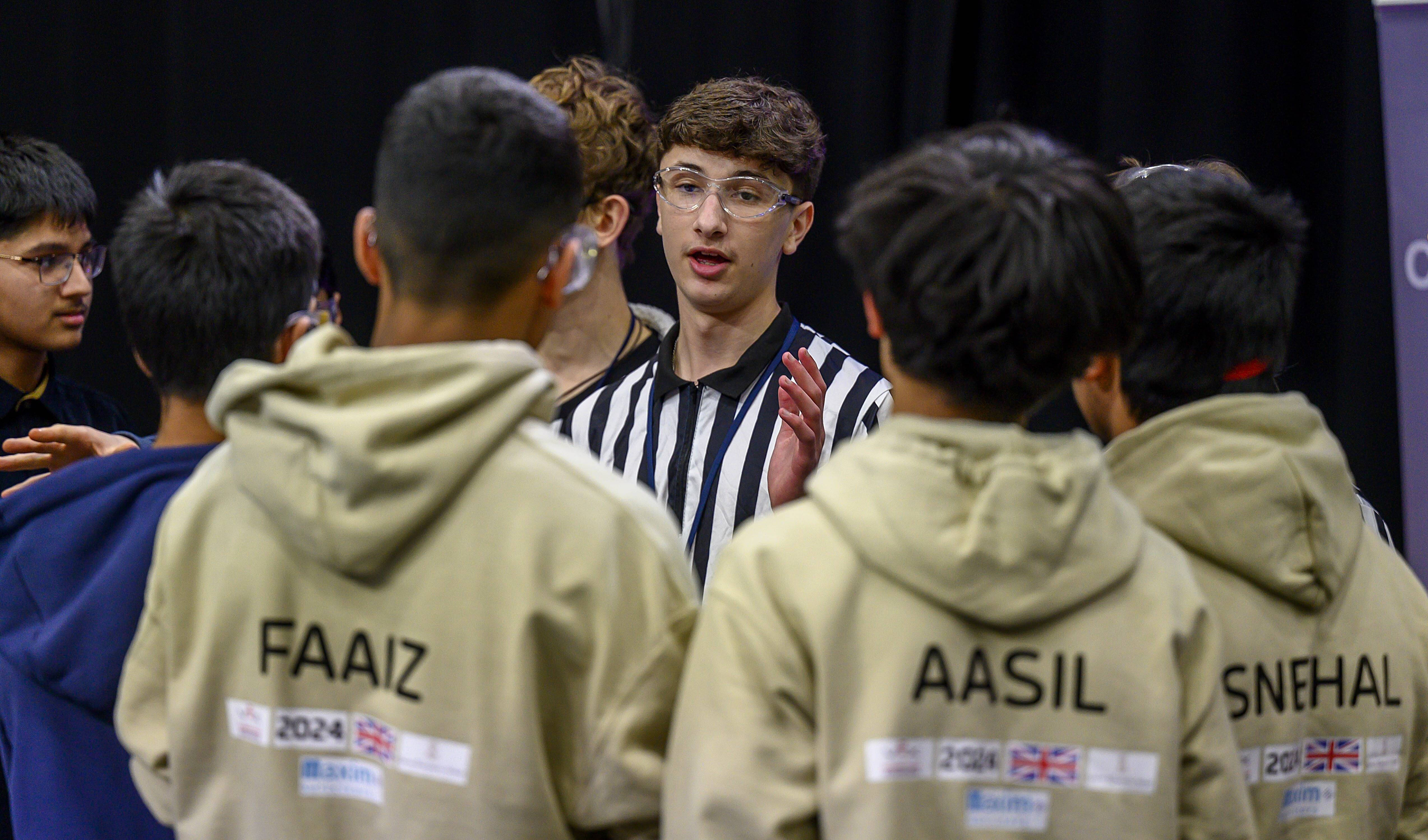
- An appeal happens right away. Drive Team Members may immediately appeal a ruling, and to do so they must stay in their Alliance Station until you come to talk with them. Once a team leaves the field, the chance to appeal is gone.
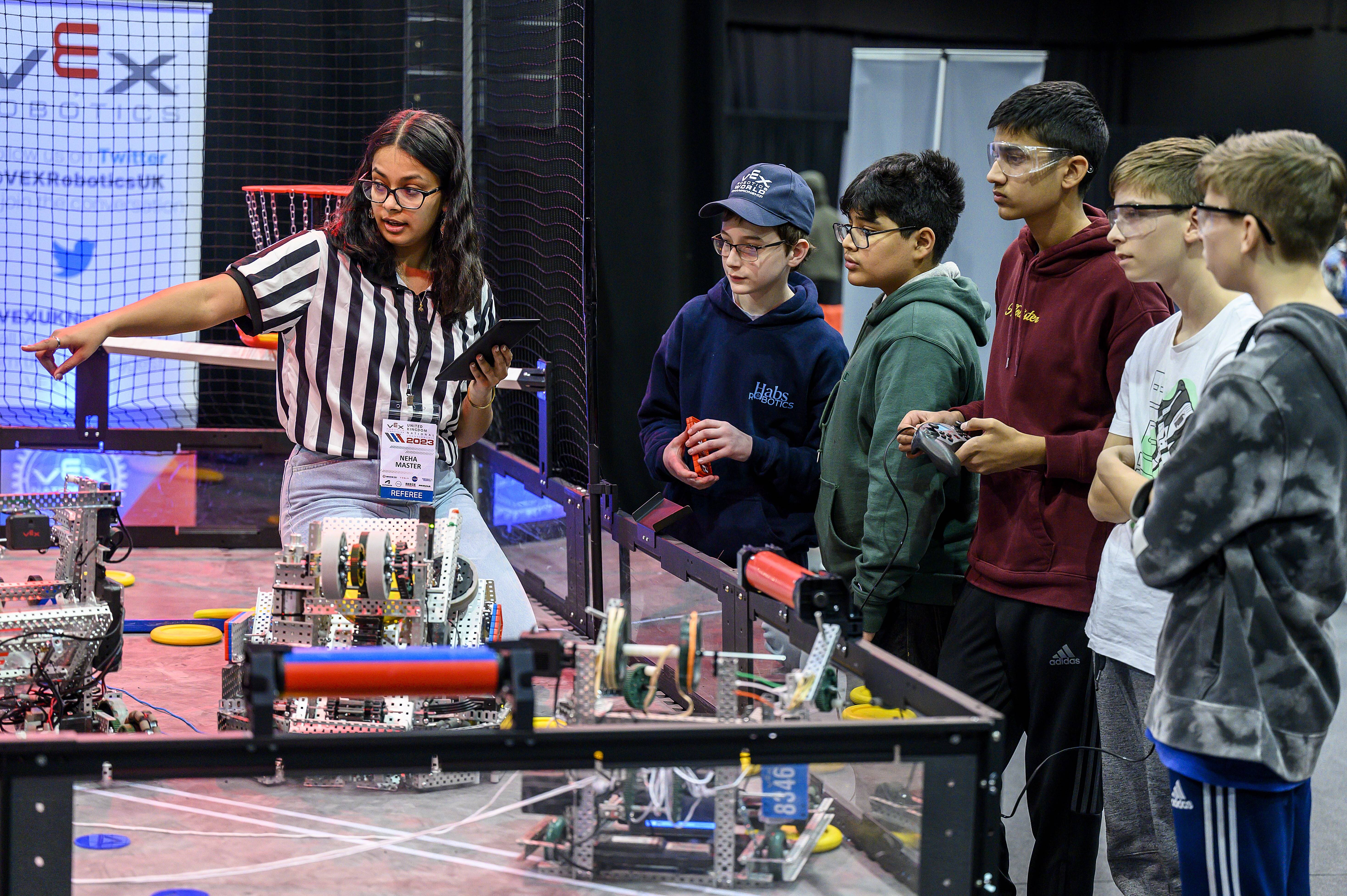
- You can take time to get it right. You may meet with the team somewhere else or a little later so you can reference the Game Manual before answering.
- Your final decision ends it. Once you announce that your decision is final, the issue is over. There is no appeal system at or after the event — your decision stands.
Two limits are worth remembering. First, referees do not review photos or videos. A ruling is made from what the referees saw, not from outside footage. Second, some events use a "question box" — a set location for these conversations. If an appeal depends on the state of the field at the end of the match, the team should stay in the Alliance Station until you know the concern, because the field will be reset before they reach the box. Ask your Event Partner whether your event uses one.
Who You Talk To
In a Head-to-Head Match, the Head Referee is the only person who explains a rule, violation, Disqualification, or penalty to a team. Teams should not take these questions to a Scorekeeper Referee or another volunteer — a Scorekeeper Referee who is asked will simply direct the team to you. Keeping every ruling conversation in one place, with one voice, is what keeps your calls consistent and prevents teams from getting conflicting answers. The conversation itself is with the team's Drive Team Members, the students who were competing.
Keeping It Positive
Strong communication and diplomacy are part of the job, as much as knowing the rules. Disagreement is normal, and a calm response does more for the event than winning an argument. A few habits help:
- Listen first, then explain. Let the team say their piece, then walk through what you saw and the specific rule behind the call. Citing the rule turns "because I said so" into "here is the rule."
- Be firm and kind at the same time. You can hold a decision without being defensive or dismissive. Confident and respectful lands better than stern.
- Don't reopen a closed call. Once you have given your final decision, you can restate it briefly, but you are not required to keep debating it.
Almost every conversation ends well here. Rarely, a team may refuse to accept a final decision or treat a referee disrespectfully, which can become a general conduct matter under <G1> — but that is the exception. The goal of every one of these conversations is a team that feels heard, even when the call did not go their way. The same principle that runs through the rest of this course holds here too: consistency and respect are what build trust.